INNOVATION
Cutting Water, Not Corners, in the Lithium Race
New extraction tech slashes water use and costs, reshaping North America’s lithium supply chain
17 Dec 2025
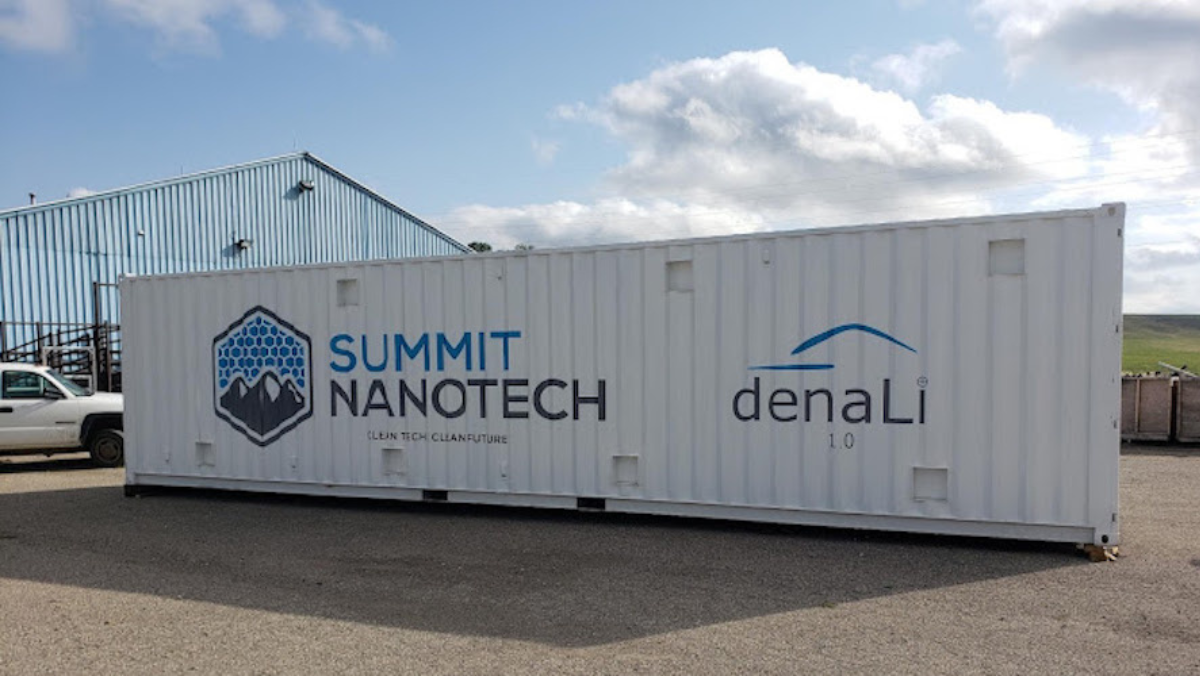
Water, not ore, is becoming the binding constraint on North America’s lithium ambitions. As demand for batteries rises, projects that once looked viable on paper have stalled over concerns about land use, water consumption and permitting delays. A new wave of extraction technology promises to ease some of those tensions.
The focus is direct lithium extraction, or DLE. Unlike traditional evaporation ponds, which spread brine over vast areas and consume large amounts of water, DLE systems pull lithium directly from underground brines and reinject most of the remaining fluid. The technology is still young. Most projects remain at pilot or demonstration scale. But its appeal is clear: smaller surface footprints, faster development timelines and far lower water use.
Recent pilot results from Summit Nanotech suggest that promise is not merely theoretical. The company says its process cuts freshwater consumption by roughly 30% compared with conventional methods. In water-stressed parts of the United States and Canada, where access to water can slow permits or scare off capital, such savings matter. Lower water intensity can also mean lower operating costs, an advantage at a time when lithium prices are prone to sharp swings.
“This is not just an environmental upgrade, it is a commercial one,” said an industry consultant familiar with recent pilot programmes. “Projects that can clearly demonstrate water savings tend to move more efficiently through regulatory review and attract stronger investor interest.”
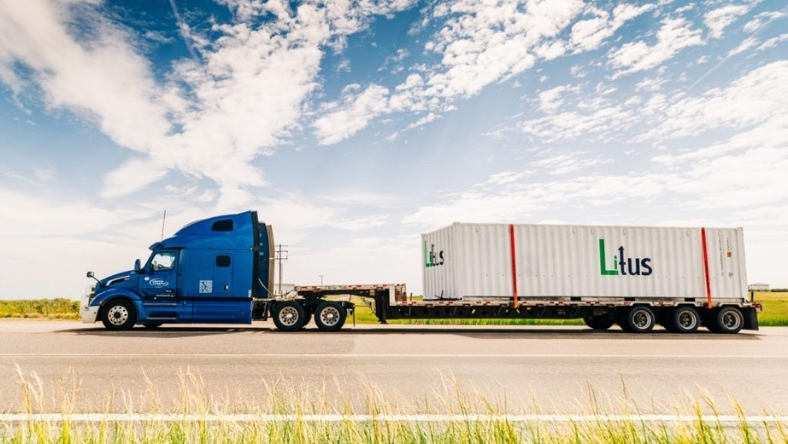
Other milestones add to the sense of gradual progress. E3 Lithium has produced battery-grade lithium carbonate at a North American facility, helping to validate domestic processing. Litus reports that its Texas pilot sustained lithium extraction rates above 98% using advanced materials, suggesting that brine-based supply can be both efficient and scalable.
None of this amounts to a revolution, at least not yet. Scaling pilot plants into full commercial operations remains difficult, and technical risks persist. But the direction of travel is clear. Carmakers and battery-makers increasingly judge suppliers on sustainability metrics as well as volume. Investors, too, are weighing water use, land impact and permitting risk more carefully.
For an industry long associated with thirsty ponds and sprawling footprints, learning to use less water may prove as important as finding more lithium.
Latest News
4 Feb 2026
Digital Intelligence Pushes Lithium Extraction Toward Scale2 Feb 2026
Canada Fast-Tracks Lithium Refining to Secure Battery Supply26 Jan 2026
Prairie Lithium Puts Canada’s Battery Hopes to the Test21 Jan 2026
Eyes in the Sky Speed Canada’s Lithium Hunt
Related News
TECHNOLOGY
4 Feb 2026
Digital Intelligence Pushes Lithium Extraction Toward Scale
INSIGHTS
2 Feb 2026
Canada Fast-Tracks Lithium Refining to Secure Battery Supply
INVESTMENT
26 Jan 2026
Prairie Lithium Puts Canada’s Battery Hopes to the Test
SUBSCRIBE FOR UPDATES
By submitting, you agree to receive email communications from the event organizers, including upcoming promotions and discounted tickets, news, and access to related events.