TECHNOLOGY
Digital Intelligence Pushes Lithium Extraction Toward Scale
As direct lithium extraction nears commercialization, data platforms and control systems are emerging as quiet drivers of reliability and scale
4 Feb 2026
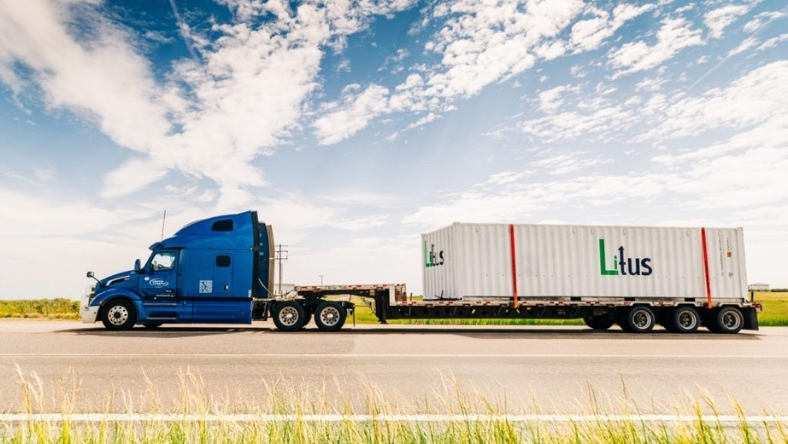
The race to secure lithium is increasingly being fought through data rather than drills. As direct lithium extraction (DLE) edges closer to commercial deployment, developers are finding that chemical innovation alone is not enough to deliver reliable output at scale.
Unlike conventional hard rock mining, DLE relies on underground brines whose chemistry can change hour by hour. Flow rates shift, impurities emerge unexpectedly and operating conditions drift. Small variations can cascade into costly disruptions, making consistency a central concern for companies seeking to prove the technology works beyond pilot projects.
In Canada, this challenge has pushed developers to invest more heavily in monitoring, modelling and process control. Digital systems that track real time signals from extraction equipment are being used to anticipate changes in brine composition and adjust operations before performance suffers.
Technology group Litus has drawn attention through field pilots that combine extraction chemistry with data driven control platforms. By analysing live operational data, its teams aim to stabilise recovery rates and reduce energy use as projects scale. The focus, executives say, is on reliability rather than full automation.
Industry observers note that such digital oversight is becoming a necessary complement to extraction hardware. Better visibility into operations can shorten learning curves, reduce uncertainty and help avoid delays that undermine project economics.
The shift is not confined to one company. LithiumBank and other developers are using advanced modelling tools to test development scenarios for Alberta’s brine resources and refine long term forecasts. These platforms allow operators to stress test assumptions, sharpen cost estimates and present clearer plans to investors and partners.
Rising interest in digital systems reflects broader pressures across the battery materials supply chain. Automakers and financiers are demanding lower environmental footprints, but they are also seeking predictable and scalable supply. Software that supports real time monitoring and optimised control is increasingly valued for its potential to smooth operations and cut waste.
Significant hurdles remain. Data infrastructure across pilot projects is uneven, and some operators remain cautious about relying too heavily on automation in critical processes. Adoption of advanced digital and AI enabled tools varies widely across the sector.
Even so, the direction of travel is clear. As demand for batteries accelerates, DLE developers that pair robust chemistry with strong digital foundations may find it easier to scale projects, manage risk and build confidence in an increasingly crowded lithium market.
Latest News
18 Mar 2026
Mining Waste Yields Lithium With a Breath of Air13 Mar 2026
The Material That Might Fix Direct Lithium Extraction9 Mar 2026
Canada’s Lithium Gamble Just Got C$36.5M Bigger4 Mar 2026
Can Digital Twins Help Crack the Lithium Bottleneck?
Related News

TECHNOLOGY
18 Mar 2026
Mining Waste Yields Lithium With a Breath of Air

RESEARCH
13 Mar 2026
The Material That Might Fix Direct Lithium Extraction
INVESTMENT
9 Mar 2026
Canada’s Lithium Gamble Just Got C$36.5M Bigger
SUBSCRIBE FOR UPDATES
By submitting, you agree to receive email communications from the event organizers, including upcoming promotions and discounted tickets, news, and access to related events.