INNOVATION
Faster, Cleaner Lithium: The Race to Reinvent Batteries
Direct extraction promises quicker, cleaner supplies for North America’s battery makers
12 Dec 2025
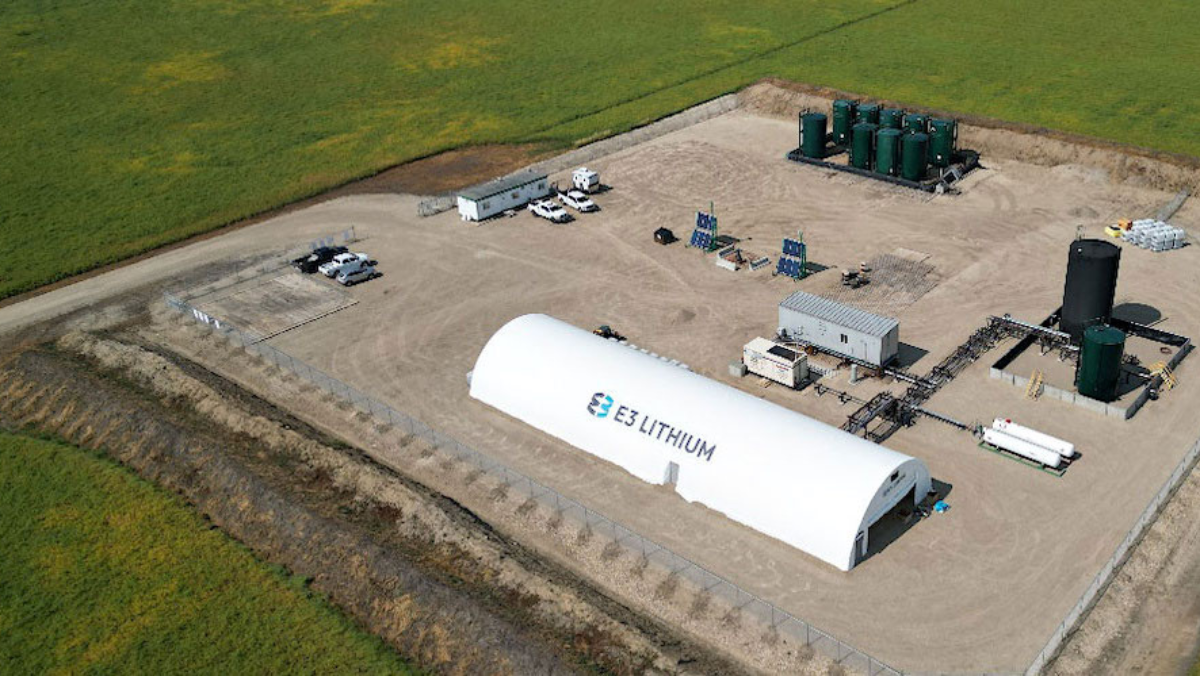
A quiet change is under way in North America’s lithium business. After years as a laboratory curiosity, direct lithium extraction (DLE) is edging towards commercial reality. If it works as hoped, it could alter how quickly battery materials are produced, and how much land and water they consume.
The clearest signal yet comes from a demonstration plant run by E3 Lithium. It says it can reliably make battery-grade lithium carbonate with a purity of about 99.7% using DLE. For an industry racing to meet demand from electric-vehicle makers, that matters. It suggests that faster, cleaner lithium production is no longer just a promise, but a plausible business.
Traditional lithium extraction relies on vast evaporation ponds. Brine is pumped to the surface and left for months, sometimes years, until water evaporates and lithium concentrates. The method is slow, land-hungry and contentious, especially where water is scarce. DLE takes a different route. Lithium is filtered directly from underground brines, while the remaining fluid is pumped back below ground. The footprint is smaller, the water loss far lower and the timetable shorter.
Those traits are increasingly valuable. In both America and Canada, environmental scrutiny and local opposition have become decisive constraints on mining projects. By offering a way to grow supply while easing those pressures, DLE sits neatly between industrial ambition and regulatory reality.
Several firms are betting on it. E3 Lithium hopes to build a regional hub in western Canada around the technology. Standard Lithium is trying to graft DLE onto existing industrial sites, cutting costs and delays. Others, such as Lithium Americas, are watching closely, even if they have yet to deploy the method at scale.
The appeal is not only environmental. As analysts note, speed and certainty now rival sustainability. Carmakers and battery producers want reliable partners who can deliver high-quality lithium quickly, without years of permitting risk. DLE, if it performs as advertised, offers both.
There are still doubts. Systems must prove they can run reliably over decades. Costs must hold up as plants grow. Each brine has its own chemistry, complicating standardisation. These are not trivial obstacles, but most appear solvable rather than fatal.
For manufacturers, more domestic lithium would reduce exposure to volatile global markets and distant processing hubs. For consumers, it could help make electric vehicles and energy storage cheaper. What was once experimental is becoming foundational. The age of lithium lagoons may not be over, but it is no longer unchallenged.
Latest News
4 Feb 2026
Digital Intelligence Pushes Lithium Extraction Toward Scale2 Feb 2026
Canada Fast-Tracks Lithium Refining to Secure Battery Supply26 Jan 2026
Prairie Lithium Puts Canada’s Battery Hopes to the Test21 Jan 2026
Eyes in the Sky Speed Canada’s Lithium Hunt
Related News
TECHNOLOGY
4 Feb 2026
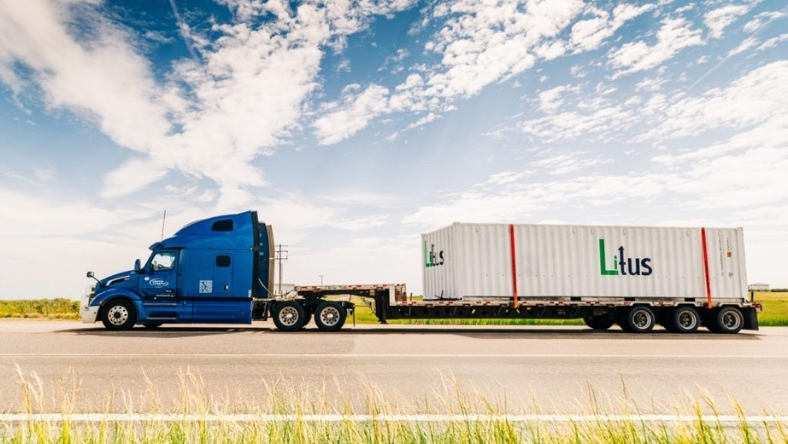
Digital Intelligence Pushes Lithium Extraction Toward Scale
INSIGHTS
2 Feb 2026
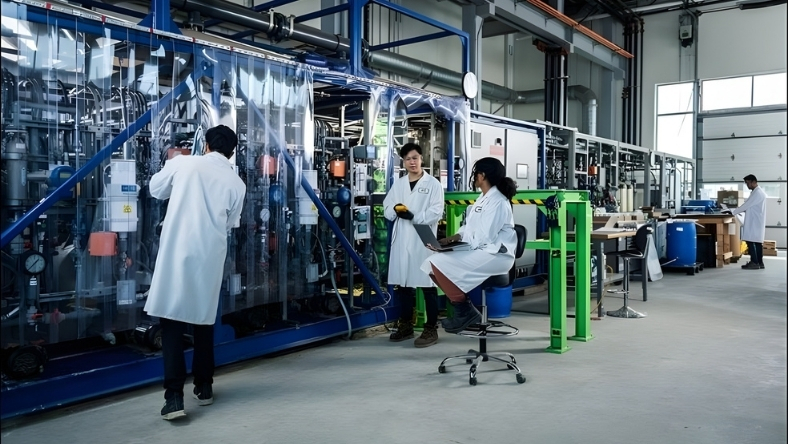
Canada Fast-Tracks Lithium Refining to Secure Battery Supply
INVESTMENT
26 Jan 2026
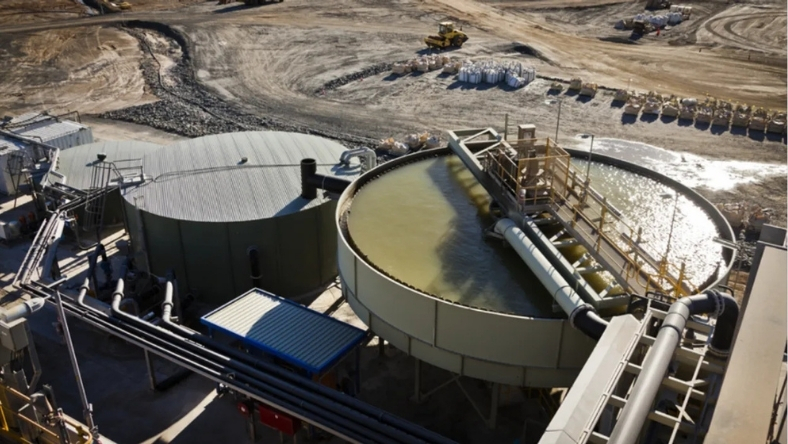
Prairie Lithium Puts Canada’s Battery Hopes to the Test
SUBSCRIBE FOR UPDATES
By submitting, you agree to receive email communications from the event organizers, including upcoming promotions and discounted tickets, news, and access to related events.