INVESTMENT
From Rush to Resilience in Lithium Investments
Capital is flowing into US lithium projects with clearer permits and greener goals
15 Dec 2025
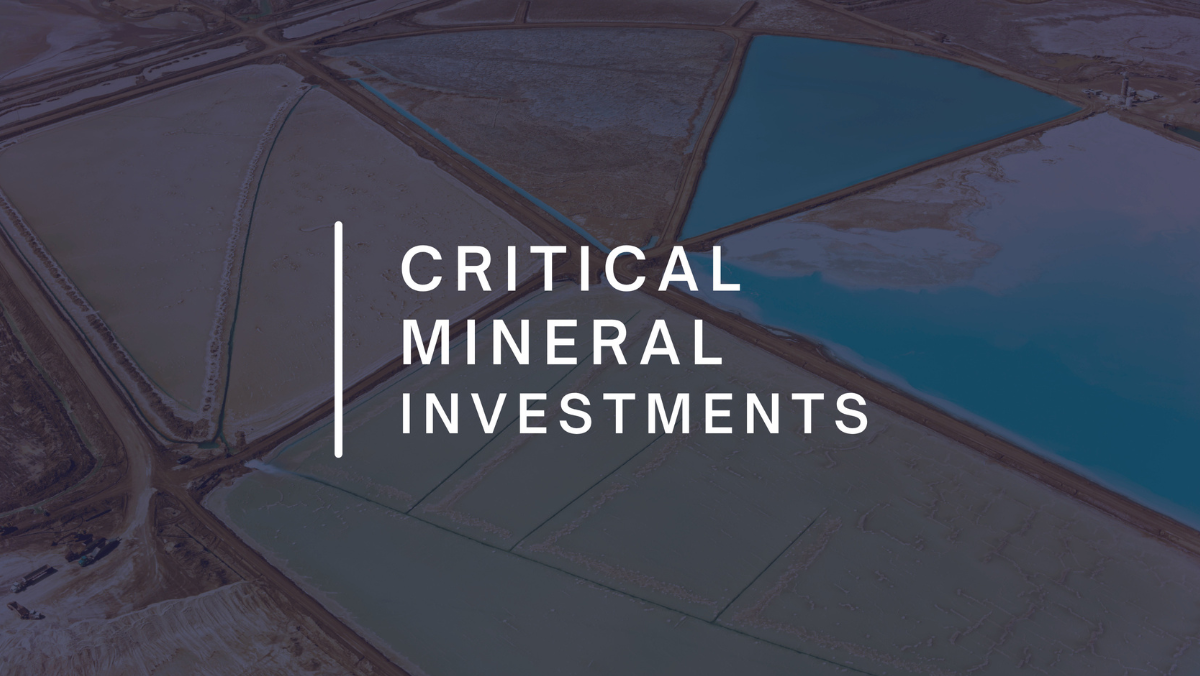
A small adjustment in capital flows is changing the mood of America’s lithium market. As electric cars and grid batteries multiply, some investors are turning away from sprawling global bets and towards domestic projects that promise clearer permits, firmer rules and steadier returns.
That shift became visible this autumn when Libra Group sold its non-controlling stake in GreenMet and redeployed funds into lithium extraction and processing projects in Texas and Arkansas. The sums were not disclosed. The logic was. Rather than chase scale abroad, Libra chose assets tied to American supply-chain security.
For much of the past decade lithium money chased growth wherever it could be found. New mines sprang up across continents. Supply chains stretched. The strategy helped meet fast-rising demand but brought problems with it: delays from local opposition, uncertainty over environmental standards and exposure to geopolitical risk. Investors are now weighing those costs more carefully.
American projects offer fewer thrills but more predictability. Permitting is slow, yet rules are known. Courts work. Infrastructure exists. Texas and Arkansas, in particular, appeal because they combine industrial know-how with proximity to battery plants and power networks. Libra has suggested that future winners will be those that pair dependable output with credible environmental claims.
GreenMet, meanwhile, continues as a policy and industry-support group focused on responsible development of critical minerals. Its separation from Libra reflects a market that is growing up. Advocacy, standards-setting and heavy capital investment are increasingly seen as distinct tasks, even if they pull in the same direction.
Many new American ventures are experimenting with lithium extracted from underground brines, often using old oil-and-gas infrastructure. Advocates say such methods could limit surface damage and speed development. Skeptics note that most remain unproven at commercial scale. Good assets are scarce and competition is intense.
Even so, the tone is calmer than before. Capital is being deployed with more care. If that holds, manufacturers may gain a steadier supply of a critical input. Consumers may see fewer shocks. The lithium race is not slowing. It is becoming more disciplined.
Latest News
4 Feb 2026
Digital Intelligence Pushes Lithium Extraction Toward Scale2 Feb 2026
Canada Fast-Tracks Lithium Refining to Secure Battery Supply26 Jan 2026
Prairie Lithium Puts Canada’s Battery Hopes to the Test21 Jan 2026
Eyes in the Sky Speed Canada’s Lithium Hunt
Related News
TECHNOLOGY
4 Feb 2026
Digital Intelligence Pushes Lithium Extraction Toward Scale
INSIGHTS
2 Feb 2026
Canada Fast-Tracks Lithium Refining to Secure Battery Supply
INVESTMENT
26 Jan 2026
Prairie Lithium Puts Canada’s Battery Hopes to the Test
SUBSCRIBE FOR UPDATES
By submitting, you agree to receive email communications from the event organizers, including upcoming promotions and discounted tickets, news, and access to related events.