INSIGHTS
Lithium Rising: Alberta’s Play for Battery Power
E3 Lithium moves Clearwater toward 2028 production, strengthening North America’s push for a secure battery supply chain
16 Feb 2026
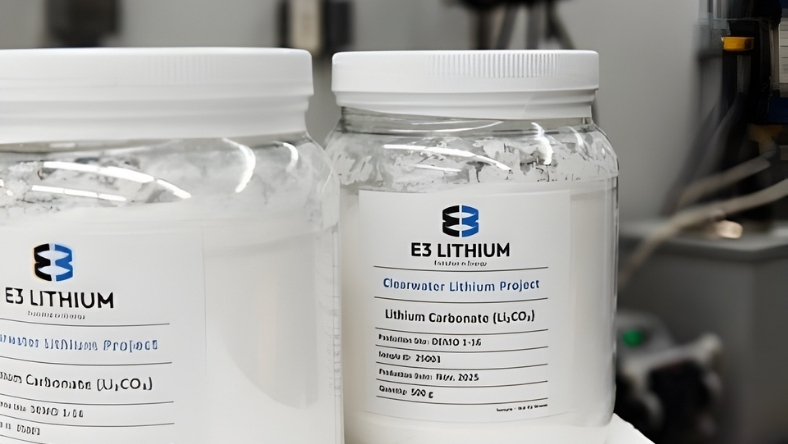
In the flatlands of Alberta, better known for oil rigs than electric cars, a different kind of extraction is taking shape. Canada’s effort to secure its own lithium supply, a mineral central to batteries, has moved from talk to tentative action.
E3 Lithium, based in Calgary, is advancing its Clearwater project towards commercial scale. In 2025 the firm produced battery-grade lithium carbonate at its Phase 1 demonstration facility, a modest but symbolic milestone. The pilot validated its extraction process. Attention has since turned to detailed engineering, regulatory approvals and project design. Construction is expected to begin in 2026, with commercial operations targeted for around 2028.
The timing is awkward and opportune in equal measure. Across Canada and the United States, battery “gigafactories” are expanding and electric-vehicle sales continue to rise, albeit unevenly. Policymakers speak often of supply-chain security. Yet most lithium still comes from abroad, much of it processed in Asia. That leaves North American manufacturers exposed to geopolitical strains and transport bottlenecks.
In a January update, Chief Executive Chris Doornbos said the company “aims to bring Clearwater to shovel-ready status by late 2026 or early 2027,” signalling a shift from proof of concept to execution. The comment reflects a broader change in Canada’s lithium sector. Firms that once focused on exploration are now seeking permits, strategic partners and long-term buyers.
Forecasts underline the urgency. Benchmark Mineral Intelligence expects lithium demand to keep rising through the decade, driven by electric vehicles and grid-scale storage. As new battery plants open, regional supply gaps are becoming harder to ignore.
E3’s approach draws on Alberta’s oil and gas heritage. Instead of digging open pits, it plans to extract lithium from brines, using subsurface expertise developed over decades. The hope is that existing infrastructure and technical skills will shorten timelines and control costs, while regulators maintain environmental oversight.
The obstacles are familiar. Permitting is slow, rules are evolving and lithium prices have swung sharply, dampening investor enthusiasm. Companies that secure approvals early and lock in offtake agreements will have an advantage.
Clearwater is not yet a mine. But if it reaches production by 2028, it will mark a shift from ambition to supply. North America’s battery future may depend on many such projects proving that rhetoric can be refined into rock and brine.
Latest News
9 Mar 2026
Canada’s Lithium Gamble Just Got C$36.5M Bigger4 Mar 2026
Can Digital Twins Help Crack the Lithium Bottleneck?2 Mar 2026
Mangrove Secures $85mn to Expand Lithium Refining26 Feb 2026
Canada Doubles Down on Lithium Ambitions
Related News
INVESTMENT
9 Mar 2026
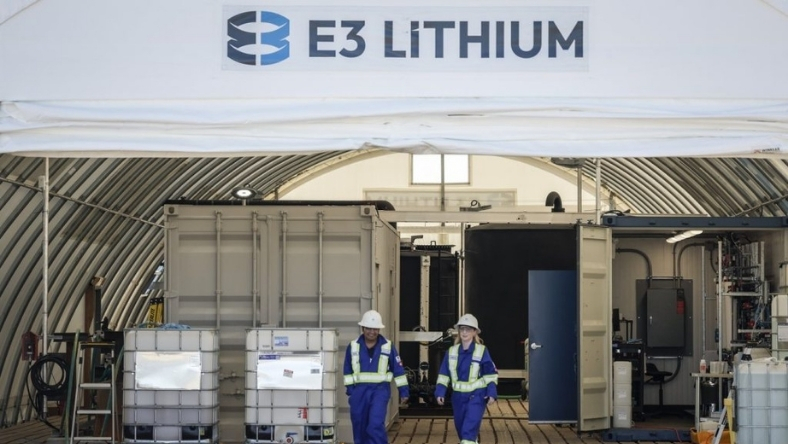
Canada’s Lithium Gamble Just Got C$36.5M Bigger
TECHNOLOGY
4 Mar 2026
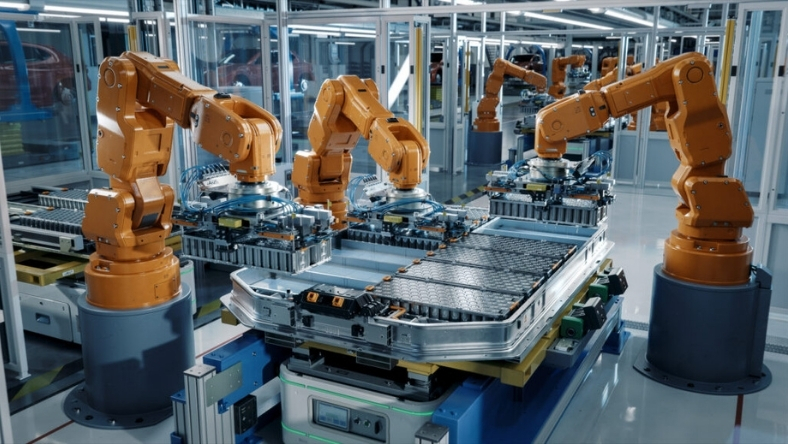
Can Digital Twins Help Crack the Lithium Bottleneck?
INSIGHTS
2 Mar 2026
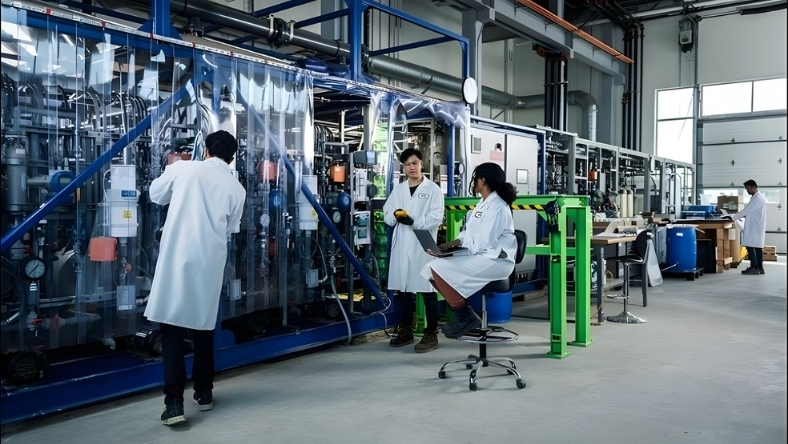
Mangrove Secures $85mn to Expand Lithium Refining
SUBSCRIBE FOR UPDATES
By submitting, you agree to receive email communications from the event organizers, including upcoming promotions and discounted tickets, news, and access to related events.