RESEARCH
Sharper Membranes Aim to Unlock Smarter Lithium Extraction
New research maps out how better membrane design and benchmarking could boost lithium recovery without slowing production
13 Feb 2026
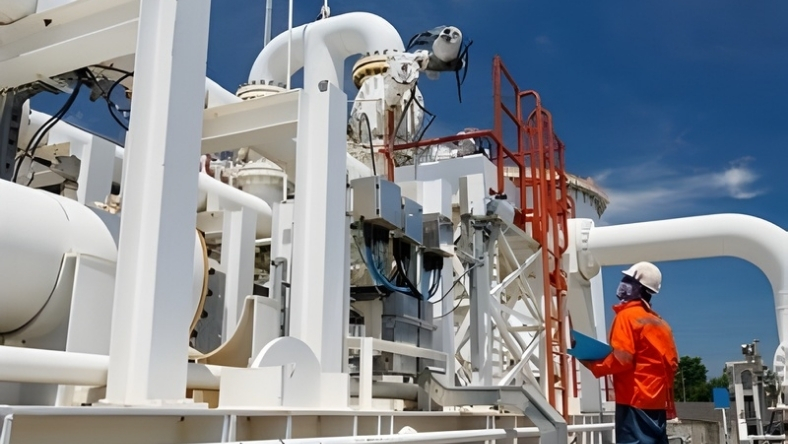
A quiet shift is underway in the race to secure lithium.
A recent study in Frontiers in Membrane Science and Technology is drawing attention across the battery world. It does not unveil a flashy new material or a splashy commercial deal. Instead, it tackles something more basic and arguably more important: how to design and test lithium-selective membranes so they hold up outside the lab.
Direct lithium extraction, or DLE, has long been billed as a faster and potentially cleaner alternative to sprawling evaporation ponds. But it comes with a stubborn tradeoff. The more selective a membrane is at capturing lithium, the more it tends to slow the overall process. High precision can mean low throughput, and that makes scaling up harder.
The new research confronts that tension directly.
Rather than championing a single breakthrough material, the authors call for clearer design rules and shared benchmarking standards. Recovery rates alone, they argue, do not tell the full story. Productivity, durability, and operational stability deserve equal weight if DLE is to earn real confidence.
It may sound technical, but the stakes are practical. Without common metrics, companies and investors struggle to compare results from different labs and pilot plants. Regulators face the same challenge. Transparent, consistent data can sharpen due diligence and help separate promising systems from polished slide decks.
The timing is hard to ignore. Global lithium demand is projected to climb sharply by the end of the decade, fueled by electric vehicles and grid storage. Companies like Standard Lithium and EnergyX are already testing integrated DLE systems that pair membranes with adsorption and other processing steps. In many designs, membranes serve as gatekeepers, filtering out magnesium, sodium, and other impurities before lithium reaches battery grade.
Yet key questions linger. Can these membranes survive years in harsh brines rather than a few months? Can they be produced at scale without pushing costs out of reach?
The study does not pretend to settle the debate. What it offers instead is a roadmap. As DLE inches toward commercial reality, careful design and honest measurement may matter just as much as the next big material breakthrough.
Latest News
9 Mar 2026
Canada’s Lithium Gamble Just Got C$36.5M Bigger4 Mar 2026
Can Digital Twins Help Crack the Lithium Bottleneck?2 Mar 2026
Mangrove Secures $85mn to Expand Lithium Refining26 Feb 2026
Canada Doubles Down on Lithium Ambitions
Related News
INVESTMENT
9 Mar 2026
Canada’s Lithium Gamble Just Got C$36.5M Bigger
TECHNOLOGY
4 Mar 2026
Can Digital Twins Help Crack the Lithium Bottleneck?
INSIGHTS
2 Mar 2026
Mangrove Secures $85mn to Expand Lithium Refining
SUBSCRIBE FOR UPDATES
By submitting, you agree to receive email communications from the event organizers, including upcoming promotions and discounted tickets, news, and access to related events.