INSIGHTS
What If Battery Waste Became Cement’s Fix?
A lithium byproduct finds new life in cement, hinting at how unlikely industrial links could help cut emissions
5 Jan 2026
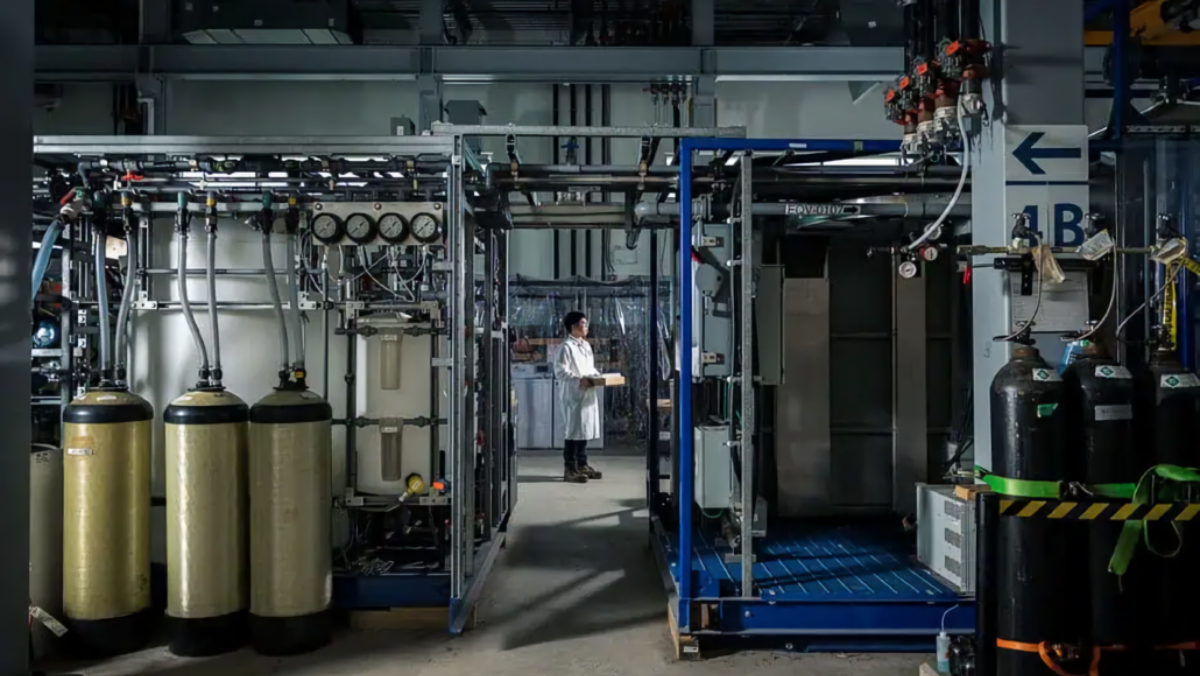
A problem in lithium refining is catching the eye of cement makers. What begins as waste from battery materials is being pitched as an input for one of the world’s dirtiest products. Cement accounts for nearly 8% of global carbon emissions. Any credible way to cut that figure draws notice.
Mangrove Lithium, a North American supplier, says it can reuse residues from lithium processing as a partial substitute for cement clinker. Clinker is the main source of cement’s emissions, formed in kilns heated by fossil fuels. Cutting its share has long been seen as essential, and elusive, in efforts to green construction. Mangrove argues that diverting its byproduct could trim cement’s footprint, though independent testing at scale is still thin.
The timing helps. Governments are tightening climate rules. Builders face pressure to measure and disclose the emissions tied to projects. Manufacturers are tracing carbon through ever longer supply chains. In that context, the idea that battery materials and construction could share solutions is gaining interest.
“This is about doing more than cleaning up one industry,” a company executive said recently. “It’s about finding practical ways to reduce emissions where they are hardest to tackle.” That claim fits a broader bind in construction. Demand for lower-carbon cement is rising just as common substitutes for clinker, such as fly ash from coal plants, are becoming scarce.
Big producers are watching. Firms like Holcim have set emissions targets for this decade. Downstream customers, including Tesla, are urging suppliers to cut embedded carbon across products and factories. Materials that serve several climate goals at once attract scrutiny, and scepticism.
For battery makers, the appeal is also defensive. Lithium demand is surging, bringing sharper focus on waste and local impacts. Reuse could reduce disposal needs and create a modest new revenue stream.
Plenty could still go wrong. Cement standards are strict, and performance must be proven over decades. Supply would track the volatile lithium market. Even so, the direction is clear. As easy fixes are exhausted, industrial decarbonisation is turning to efficiency across sectors. Linking unlikely industries may not solve cement’s problem. But it suggests where the search is heading.
Latest News
9 Mar 2026
Canada’s Lithium Gamble Just Got C$36.5M Bigger4 Mar 2026
Can Digital Twins Help Crack the Lithium Bottleneck?2 Mar 2026
Mangrove Secures $85mn to Expand Lithium Refining26 Feb 2026
Canada Doubles Down on Lithium Ambitions
Related News
INVESTMENT
9 Mar 2026
Canada’s Lithium Gamble Just Got C$36.5M Bigger
TECHNOLOGY
4 Mar 2026
Can Digital Twins Help Crack the Lithium Bottleneck?
INSIGHTS
2 Mar 2026
Mangrove Secures $85mn to Expand Lithium Refining
SUBSCRIBE FOR UPDATES
By submitting, you agree to receive email communications from the event organizers, including upcoming promotions and discounted tickets, news, and access to related events.